Blog

Your blog category

How to Become a Certified Coding Specialist
Blog

How to Become a Certified Coding Specialist (CCS): Step-by-Step Guide

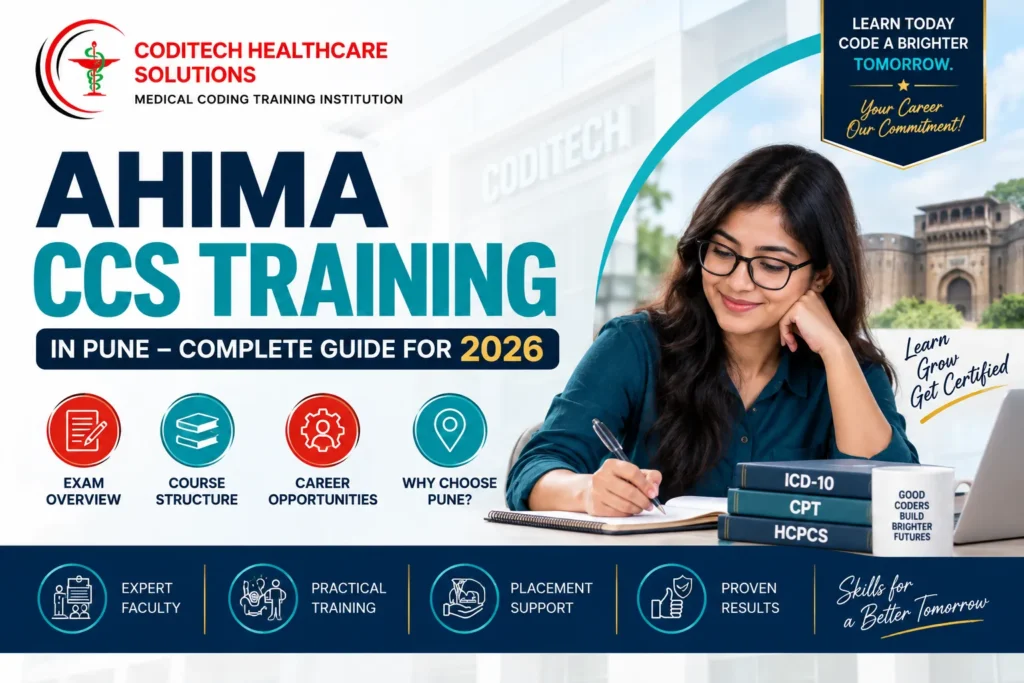
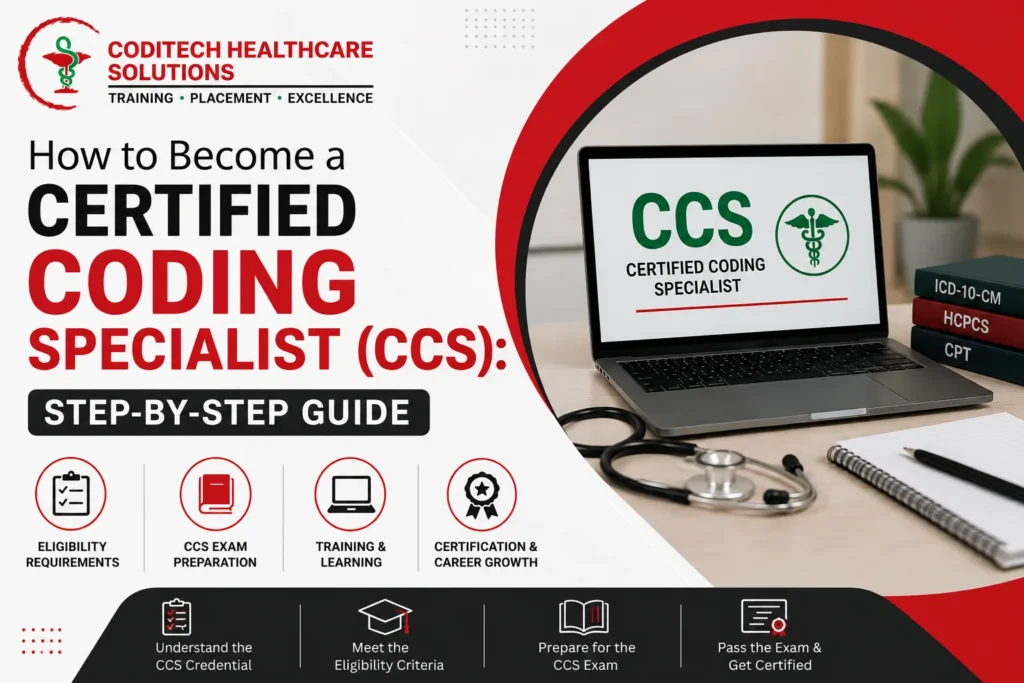
How to Become a Certified Coding Specialist (CCS): Step-by-Step Guide How to Become a Certified Coding Specialist (CCS): Step-by-Step Guide The healthcare industry is growing rapidly, and with it comes an increasing demand for skilled medical coding professionals. If you’re looking to advance your career in medical coding, earning a Certified Coding Specialist (CCS) certification is one of the best decisions you can make. Recognized by healthcare employers worldwide, the CCS credential demonstrates your expertise in coding inpatient and outpatient medical records accurately using ICD-10-CM, ICD-10-PCS, and CPT coding systems. In this guide, we’ll walk you through the complete process of becoming a Certified Coding Specialist, from understanding the certification to preparing for the exam and building a successful career. What Is a Certified Coding Specialist (CCS)? The Certified Coding Specialist (CCS) credential is a professional certification designed for experienced medical coders who can accurately assign diagnosis and procedure codes for hospitals and healthcare facilities. CCS-certified professionals play an important role in ensuring accurate documentation, proper reimbursement, compliance with healthcare regulations, and efficient revenue cycle management. Because of its industry recognition, many hospitals, insurance companies, and healthcare organizations prefer hiring professionals with CCS certification. Why Should You Earn a CCS Certification? Obtaining a CCS certification offers several career benefits. Better job opportunities Higher earning potential Greater industry recognition Opportunities to work in hospitals and multispecialty healthcare organizations Stronger knowledge of advanced coding guidelines Increased confidence in handling complex medical records For professionals who already have basic medical coding knowledge, CCS certification can significantly improve career growth. Step 1: Learn the Basics of Medical Coding Before preparing for CCS certification, it’s essential to understand the fundamentals of medical coding. You should become familiar with: Medical terminology Human anatomy and physiology Disease processes Pharmacology basics Healthcare documentation ICD-10-CM coding ICD-10-PCS coding CPT coding HCPCS coding Having a strong foundation makes advanced CCS concepts much easier to understand. Step 2: Join a Professional CCS Certification Training Program Although self-study is possible, structured classroom or online training provides a much stronger learning experience. A good CCS Certification Training Institute in Pune offers: Experienced trainers Updated study materials Practical coding exercises Real hospital case studies Mock examinations One-on-one doubt clearing sessions Interview preparation Professional guidance helps students understand complex coding scenarios and improves exam confidence. Step 3: Practice Real Medical Records The CCS examination focuses on practical coding rather than memorization. Spend time coding actual inpatient and outpatient medical records. Practice: Surgical reports Emergency department records Radiology reports Pathology reports Discharge summaries Operative notes The more real-world cases you solve, the stronger your coding skills become. Step 4: Understand the CCS Exam Pattern Before taking the examination, it’s important to understand its structure. The CCS exam generally evaluates: ICD-10-CM coding ICD-10-PCS coding CPT coding Clinical documentation Coding guidelines Reimbursement concepts Medical terminology Healthcare compliance Consistent practice and regular mock tests can help improve both speed and accuracy. Step 5: Take Mock Tests Regularly Many candidates know the concepts but struggle with time management during the actual examination. Mock tests help you: Improve coding speed Identify weak areas Build confidence Understand exam difficulty Reduce examination stress Treat every mock test as if it were the real exam. Step 6: Stay Updated with Coding Guidelines Medical coding is constantly evolving. New ICD-10 updates, payer guidelines, and healthcare regulations are introduced regularly. Successful CCS professionals make it a habit to: Read coding updates Follow official coding guidelines Attend workshops and webinars Continue learning after certification Continuous learning keeps your skills relevant throughout your career. Career Opportunities After CCS Certification Once you become CCS certified, you can explore opportunities in various healthcare settings. Common job roles include: Medical Coder Senior Medical Coder Inpatient Coder Outpatient Coder Coding Auditor Clinical Documentation Specialist Quality Analyst Revenue Cycle Executive Healthcare Compliance Specialist Many professionals also choose remote and international medical coding opportunities after gaining experience. Skills That Make a Successful CCS Professional Apart from coding knowledge, employers value professionals who possess: Strong analytical thinking Attention to detail Knowledge of medical terminology Time management Communication skills Accuracy under pressure Problem-solving ability Developing these skills alongside technical knowledge can help you grow faster in your career. Why Choose Coditech Healthcare Solutions? If you’re looking for a trusted CCS Certification Training Institute in Pune, choosing the right training provider can make a significant difference in your success. Coditech Healthcare Solutions is committed to helping students build strong medical coding careers through practical, industry-focused training. Our CCS Certification Classes in Pune are designed by experienced trainers who focus on real-world coding scenarios, updated coding guidelines, and hands-on practice. Whether you are a beginner or an experienced medical coder aiming to upgrade your skills, our comprehensive training program helps you prepare confidently for the CCS certification exam. From expert mentorship and mock tests to placement assistance and interview preparation, Coditech Healthcare Solutions provides the support you need to achieve your career goals in the healthcare industry. Conclusion Becoming a Certified Coding Specialist requires dedication, consistent practice, and quality training. By building a strong foundation, practicing real medical records, staying updated with coding guidelines, and preparing strategically for the exam, you can earn a certification that opens the door to excellent career opportunities. If you’re planning to start your CCS journey, enrolling in a reputed CCS Certification Training Institute in Pune can help you learn from industry experts and gain practical experience. With the right guidance and commitment, your goal of becoming a Certified Coding Specialist is well within reach.

AI-assisted medical coding
Blog

How AI Is Reducing Claim Denials and Improving Coding Accuracy

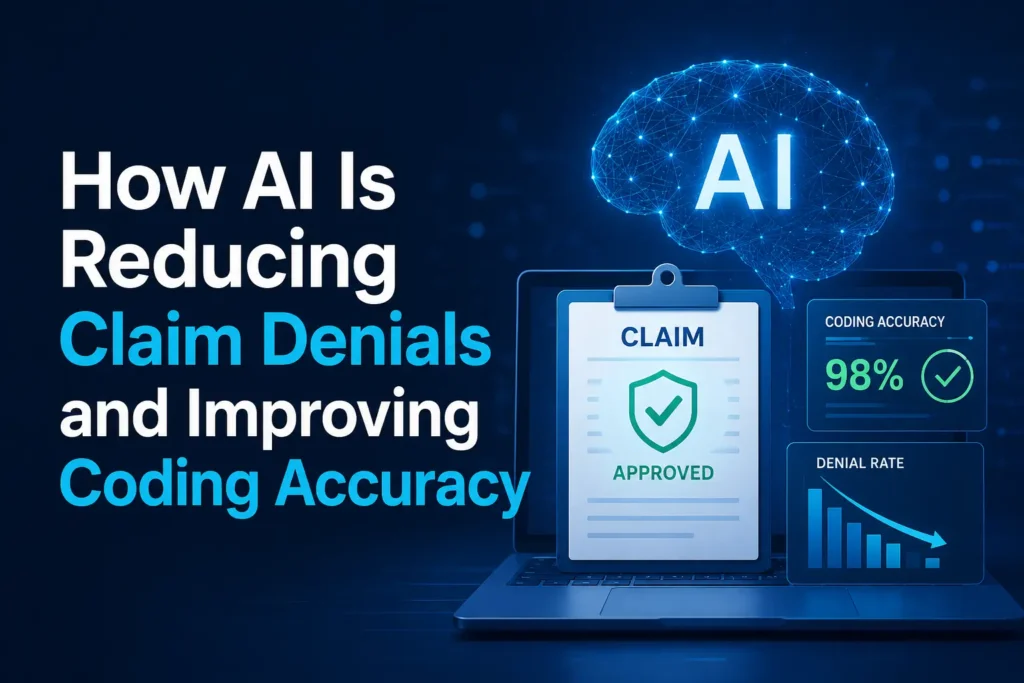
How AI Is Reducing Claim Denials and Improving Coding Accuracy How AI Is Reducing Claim Denials and Improving Coding Accuracy In today’s healthcare industry, medical coding plays a critical role in ensuring accurate reimbursement and smooth revenue cycle management. However, coding errors and claim denials continue to be major challenges for healthcare providers. With the rise of Artificial Intelligence (AI), the industry is witnessing a significant transformation. AI-powered tools are helping organizations improve coding accuracy, reduce claim denials, and streamline the overall billing process. Understanding Claim Denials in Healthcare Claim denials occur when insurance companies reject reimbursement requests due to issues such as: Incorrect or incomplete coding Missing documentation Inaccurate patient information Failure to follow payer-specific guidelines Duplicate claims or billing errors These denials not only delay payments but also increase administrative workload and impact the financial health of healthcare organizations. How AI Is Transforming Medical Coding Artificial Intelligence is revolutionizing medical coding by automating repetitive tasks and assisting coders in identifying accurate diagnosis and procedure codes. AI systems use technologies such as Natural Language Processing (NLP) and Machine Learning (ML) to analyze clinical documentation and recommend appropriate codes. Instead of manually reviewing every document, coders can now rely on AI-assisted coding platforms to enhance productivity and accuracy. 1. Improved Coding Accuracy One of the biggest advantages of AI is its ability to minimize human errors. AI tools can analyze physician notes, discharge summaries, and clinical documentation to suggest the most appropriate ICD-10-CM, CPT, and HCPCS codes. This helps in: Reducing coding mistakes Maintaining coding compliance Improving documentation quality Ensuring accurate reimbursement By identifying inconsistencies before claims are submitted, AI significantly lowers the chances of coding-related denials. 2. Early Detection of Documentation Gaps Incomplete documentation is a common reason behind claim denials. AI-powered systems can detect missing information and alert coders or physicians in real time. For example, if a diagnosis lacks supporting clinical evidence, the system can flag the issue before claim submission. This proactive approach helps healthcare providers avoid costly rework and delays. 3. Faster Claim Processing Manual coding and claim review processes consume valuable time. AI automates many of these tasks, allowing claims to be processed more quickly. Benefits include: Faster turnaround time Reduced administrative burden Increased productivity Quicker reimbursements Healthcare organizations can focus more on patient care while improving operational efficiency. 4. Predicting Claim Denials Before Submission Advanced AI solutions can analyze historical claim data and identify patterns that commonly lead to denials. Based on these insights, the system predicts potential issues and recommends corrective actions. This predictive capability enables organizations to: Prevent denials before they occur Improve first-pass claim acceptance rates Reduce revenue leakage Enhance financial performance 5. Supporting Compliance and Regulatory Updates Medical coding guidelines and payer policies change frequently. AI systems can stay updated with the latest coding rules and compliance requirements, helping coders maintain accuracy. This reduces the risk of: Non-compliance penalties Audit failures Incorrect code assignments Revenue loss due to outdated practices Will AI Replace Medical Coders? Despite its capabilities, AI is not replacing medical coders. Instead, it is acting as a powerful support tool. Human expertise remains essential for interpreting complex cases, ensuring documentation quality, and making final coding decisions. The future of medical coding lies in collaboration between skilled coders and intelligent technologies. Professionals who understand both coding principles and AI-assisted workflows will have a competitive advantage in the healthcare industry. The Future of AI in Healthcare Revenue Cycle Management As AI technology continues to evolve, healthcare organizations are expected to adopt more advanced coding and billing solutions. From automated coding suggestions to denial prediction and real-time documentation analysis, AI is helping create a more efficient and accurate revenue cycle. Organizations that embrace AI-driven solutions can improve patient care, enhance operational efficiency, and maximize reimbursements while minimizing claim denials. Conclusion Artificial Intelligence is transforming medical coding by improving coding accuracy, reducing claim denials, and increasing efficiency across healthcare operations. While AI simplifies many processes, the expertise of certified medical coders remains indispensable. As the healthcare industry moves toward a technology-driven future, professionals who combine coding knowledge with an understanding of AI tools will be highly sought after. At Coditech Healthcare Solutions, we believe that the future of medical coding lies in combining human expertise with emerging technologies. Our industry-focused training programs are designed to help aspiring coders develop strong coding fundamentals while staying updated with the latest advancements, including AI-assisted coding practices. With expert guidance, practical exposure, and certification-oriented training, Coditech Healthcare Solutions prepares students to build successful careers in the rapidly evolving healthcare industry.

Why Accuracy Matters in Medical Coding | Coditech Healthcare Solutions
Blog

Why Accuracy Matters in Medical Coding

Why Accuracy Matters in Medical Coding Why Accuracy Matters in Medical Coding Medical coding plays an Important role in the healthcare industry. Every diagnosis, treatment, and medical procedure must be translated into standardized codes that healthcare providers, insurance companies, and regulatory authorities can understand. Because these codes directly impact billing, reimbursement, compliance, and patient records, accuracy is essential. A single coding error may seem minor, but it can lead to claim denials, payment delays, compliance issues, and inaccurate patient documentation. This is why healthcare organizations place a high value on skilled medical coders who can maintain precision and consistency in their work. At Coditech Healthcare Solutions, students are trained to understand coding guidelines, medical terminology, and documentation practices that help build strong coding accuracy from the beginning of their careers. Understanding Accuracy in Medical Coding Medical coding accuracy refers to assigning the correct codes to diagnoses, procedures, treatments, and healthcare services based on patient documentation. Medical coders work with coding systems such as: ICD (International Classification of Diseases) CPT (Current Procedural Terminology) HCPCS (Healthcare Common Procedure Coding System) To select the correct code, coders must carefully review medical records, physician notes, laboratory reports, and treatment documentation. Accurate interpretation ensures that the healthcare service provided is properly represented. Accurate Coding Supports Proper Billing Healthcare providers rely on medical codes to generate bills and submit claims to insurance companies. When coding is accurate, organizations can process claims smoothly and receive appropriate reimbursement for the services they provide. Benefits of accurate coding include: Faster claim processing Reduced billing errors Improved revenue cycle management Better financial performance for healthcare facilities Fewer claim rejections and payment delays Incorrect coding can result in underpayments, overpayments, or claim denials, creating additional administrative work for healthcare providers. Reducing Insurance Claim Denials Insurance companies review submitted claims before approving payments. If a claim contains incorrect, incomplete, or inconsistent coding, it may be denied or delayed. Accurate medical coding helps: Increase claim acceptance rates Minimize claim rework Reduce administrative burden Improve reimbursement timelines Strengthen communication between providers and insurers Healthcare organizations prefer coders who can consistently submit error-free claims and maintain high-quality documentation standards. Maintaining Regulatory Compliance The healthcare industry operates under strict coding regulations and compliance standards. Medical coders must follow official coding guidelines and payer-specific requirements to ensure compliance. Accurate coding helps organizations: Meet regulatory requirements Reduce audit risks Prevent compliance violations Support ethical healthcare practices Avoid financial penalties Maintaining coding accuracy is one of the key ways healthcare providers protect themselves from legal and regulatory challenges. Enhancing Patient Record Quality Medical coding is not only about billing. It also contributes to maintaining accurate patient records and healthcare data. Proper coding supports: Clear patient history documentation Continuity of care Clinical research and analysis Healthcare reporting Public health monitoring When coding errors occur, patient records may become incomplete or misleading, potentially affecting future treatment decisions. The Impact of Small Coding Errors Even minor coding mistakes can create significant challenges. Common consequences include: Delayed insurance payments Rejected claims Compliance concerns Incorrect patient records Increased administrative workload Financial losses for healthcare providers Because of these risks, attention to detail is considered one of the most important qualities of a successful medical coder. Essential Skills for Coding Accuracy Medical coders can improve their accuracy by developing the following skills: Attention to Detail Carefully reviewing documentation helps identify critical information and prevents coding mistakes. Knowledge of Medical Terminology Understanding medical terms, conditions, procedures, and abbreviations is essential for selecting the correct codes. Anatomy and Physiology Understanding A strong foundation in human anatomy helps coders interpret medical records accurately. Analytical Thinking Coders must analyze documentation thoroughly and apply coding guidelines correctly. Familiarity with Coding Guidelines Staying updated with coding changes and industry standards ensures consistent coding quality. Documentation Review Skills The ability to review and interpret clinical documentation is vital for coding accuracy. Growing Demand for Accurate Medical Coders As healthcare systems continue to expand and digitize, the need for skilled medical coders is increasing worldwide. Healthcare organizations seek accurate coders because they help: Improve operational efficiency Reduce claim denials Support compliance efforts Enhance patient data quality Strengthen revenue management This growing demand creates excellent career opportunities for individuals interested in the healthcare sector. Build Your Medical Coding Career with Coditech Healthcare Solutions Coditech Healthcare Solutions is committed to helping aspiring medical coders develop the knowledge and practical skills needed for success in the healthcare industry. Through structured training programs, industry-focused learning, certification guidance, and practical exposure, students gain confidence in medical coding concepts and real-world applications. Whether you are a graduate, a career changer, or someone looking to enter the healthcare industry, medical coding can offer a stable and rewarding career path. Frequently Asked Questions (FAQs) 1. Why is accuracy important in medical coding? Accuracy is important because coding errors can affect billing, insurance claims, compliance requirements, and patient records. Correct coding ensures smooth healthcare operations and proper reimbursement. 2. What happens if a medical coder makes a mistake? Coding errors can result in claim denials, delayed payments, compliance issues, inaccurate patient records, and financial losses for healthcare providers. 3. How can medical coders improve their accuracy? Medical coders can improve accuracy through continuous learning, regular practice, strong documentation review skills, and staying updated with coding guidelines. 4. Is attention to detail necessary in medical coding? Yes. Attention to detail is one of the most important skills for medical coders because even small mistakes can have significant consequences. 5. Can beginners become successful medical coders? Absolutely. With proper training, dedication, and practical experience, beginners can develop strong coding skills and build successful careers in medical coding. 6. What skills are required to become a medical coder? Key skills include medical terminology knowledge, anatomy understanding, analytical thinking, attention to detail, documentation review, and coding guideline knowledge. 7. Is medical coding a good career option? Yes. Medical coding offers strong career prospects, growing demand, opportunities for professional certification, and long-term growth within the healthcare industry. 8. Does Coditech Healthcare Solutions provide medical coding training?

medical coding jobs in Pune
Blog

The Credential Crossroads: Why Experienced Coders Are Dropping CPC for CCS in 2026

The Credential Crossroads: Why Experienced Coders Are Dropping CPC for CCS in 2026 A growing number of seasoned medical coders are making a bold career move — trading in their CPC for the CCS. Here’s what’s driving the shift and whether it makes sense for you. Introduction: The Credential Landscape Is Shifting For years, the Certified Professional Coder (CPC) credential — offered by the American Academy of Professional Coders (AAPC) — was the gold standard for anyone entering the medical coding profession. It was the first step, the most recognizable badge, and the credential that opened doors in physician offices and outpatient clinics across the country. But in 2026, something interesting is happening. Experienced coders — professionals with five, eight, even fifteen years under their belt — are sitting for the Certified Coding Specialist (CCS) exam offered by AHIMA. Some are replacing their CPC entirely. Others are stacking credentials. And a surprising number are walking away from outpatient-focused roles into the higher-complexity world of inpatient hospital coding. So what exactly is driving this shift? And is the CCS right for you? Understanding the Two Credentials Before we dive into the “why,” let’s quickly outline what sets these two certifications apart: Feature CPC (AAPC) CCS (AHIMA) Issuing Body AAPC AHIMA Primary Setting Outpatient / Physician Office Inpatient Hospital / Facility Code Sets CPT, ICD-10-CM, HCPCS ICD-10-CM, ICD-10-PCS, DRG Exam Difficulty Moderate High (especially PCS) Salary Potential Moderate–Good Good–Excellent 1. The Salary Gap Is Real — and Growing Let’s be honest: one of the biggest motivators for any professional credential switch is money. And the salary data in 2026 is hard to ignore. Inpatient coders holding the CCS credential — particularly those working in acute care hospitals or large health systems — consistently command higher salaries than their outpatient CPC counterparts. The complexity of inpatient coding, which involves ICD-10-PCS procedures, Diagnosis-Related Groups (DRGs), Medicare Severity DRGs (MS-DRGs), and Case Mix Index (CMI) calculations, means that qualified coders are harder to find and easier to pay well. With healthcare systems under increasing pressure to optimize reimbursement, specialists who understand DRG optimization and Clinical Documentation Improvement (CDI) are more valuable than ever. The CCS is your ticket into that world. 2. ICD-10-PCS: The Great Differentiator If you’ve only ever worked with CPT codes, ICD-10-PCS will feel like learning a new language — because it essentially is one. With over 87,000 codes built on a 7-character alphanumeric structure, PCS demands a level of anatomical precision and logical reasoning that CPT coding simply doesn’t require. This steep learning curve is exactly why CCS-credentialed coders are scarce. And scarcity, in any market, translates to leverage. Experienced CPC holders who invest the time to master PCS are effectively moving from a crowded pool into a much smaller, more specialized one. Many experienced coders report that mastering PCS — while challenging — is intellectually rewarding in a way that outpatient coding simply isn’t after years of repetition. 3. Hospital and Health System Demand Is Surging Post-pandemic restructuring, the rapid expansion of hospital-at-home programs, and the increasing complexity of inpatient case mixes have all contributed to a persistent shortage of qualified inpatient coders. Large health systems are actively recruiting — and increasingly, they’re specifying CCS in their job postings. In 2026, remote inpatient coding positions — once rare — have become standard. Health systems across the country are hiring remote CCS-credentialed coders, giving professionals the flexibility of working from home alongside the compensation of a hospital-level role. For experienced CPCs who already work remotely, the path is clear: upgrade the credential, unlock a new tier of opportunity. 4. CDI Integration: Where Coding Meets Strategy Clinical Documentation Improvement (CDI) has become one of the fastest-growing specialties in health information management. And CCS-credentialed professionals are perfectly positioned to transition into CDI roles. CDI specialists work directly with physicians and clinical staff to ensure that documentation accurately reflects the complexity and severity of patient conditions — directly impacting DRG assignment and hospital reimbursement. These roles are highly strategic, command excellent salaries, and often come with titles like CDI Specialist, CDI Auditor, or Revenue Integrity Analyst. CPCs, by contrast, rarely have the inpatient DRG knowledge base to step into CDI positions. The CCS essentially unlocks an entirely new career track. 5. Credibility in the HIM World AHIMA (the American Health Information Management Association) has long been the more academically oriented of the two major coding bodies, with stronger ties to HIM directors, compliance officers, and health information technology. The CCS is recognized not just as a coding credential but as a marker of clinical knowledge and analytical ability. For experienced coders looking to move into leadership, auditing, compliance, or consulting roles, the CCS carries significant credibility in hospital and health system environments — sometimes more so than the CPC, which is strongly associated with physician office billing. 6. The CCS Exam: What Makes It Hard — and Beatable Make no mistake: the CCS exam is genuinely difficult. AHIMA’s exam includes medical record analysis cases for both inpatient and outpatient settings, requiring coders to assign complete code sets — including principal diagnosis, secondary diagnoses, ICD-10-PCS procedure codes, and DRG assignment — under timed conditions. But here’s what experienced CPCs have going for them: Strong ICD-10-CM foundation: Years of outpatient coding build excellent diagnosis coding skills. Medical terminology mastery: Clinical knowledge developed over years of coding across specialties. Coding logic and guidelines: The structured thinking that makes a good coder translates directly. The primary gaps to fill are ICD-10-PCS, inpatient sequencing guidelines (UHDDS), DRG/MS-DRG logic, and facility coding guidelines. With a structured study plan, experienced coders typically need 3–6 months of focused preparation to be exam-ready. 7. Should You Replace Your CPC or Stack Both? This is the question every coder at the crossroads faces. The honest answer: it depends on your goals. If you want to stay in outpatient/physician office coding — keep your CPC. It’s the right credential for that world, and it’s well-respected. If you want to transition to inpatient hospital coding — pursue the CCS. It’s

medical coding classes in Pune
Blog

Top Certifications in Medical Coding: CPC, CCS, CIC – Which is Best? (2026 Guide)

Top Certifications in Medical Coding: CPC, CCS, CIC – Which is Best? (2026 Guide) Medical coding is one of the fastest-growing careers in the healthcare industry. However, to build a successful career, having the right certification is extremely important. If you are confused about which certification to choose—CPC, CCS, or CIC—this guide will help you understand each one and decide what’s best for your career. At Coditech Healthcare Solutions, a leading medical coding training institute in Pune, we guide students in choosing the right certification based on their career goals. Why Medical Coding Certification is Important Certification is not just an added advantage—it is often a requirement for getting hired. Benefits of Certification: • Improves job opportunities• Increases salary potential• Builds credibility• Validates your coding skills• Helps in career growth Students who complete professional medical coding classes in Pune with certification preparation have a higher chance of getting placed. Overview of Top Medical Coding Certifications Let’s understand the three most popular certifications in medical coding: 1. CPC (Certified Professional Coder) Best for: Beginners / Freshers The CPC certification (offered by AAPC) is the most popular entry-level certification. Key Features: • Focus on outpatient coding• Covers ICD-10-CM, CPT, and HCPCS• Widely accepted by companies• Ideal for freshers Why Choose CPC? • Easy to start your career• High demand in healthcare companies• Suitable for beginners At Coditech Healthcare Solutions, our medical coding classes in Pune are specially designed to prepare students for CPC certification. 2. CCS (Certified Coding Specialist) Best for: Intermediate / Experienced Coders The CCS certification (offered by AHIMA) is more advanced compared to CPC. Key Features: • Focus on inpatient coding• Covers complex coding scenarios• Requires strong coding knowledge Why Choose CCS? • Higher salary potential• Preferred for hospital coding roles• Good for career advancement Students who complete advanced medical codig classes in Pune can prepare for CCS after gaining basic experience. 3. CIC (Certified Inpatient Coder) Best for: Specialization in Inpatient Coding The CIC certification (offered by AAPC) focuses specifically on inpatient hospital coding. Key Features: • Detailed inpatient coding training• Covers DRG systems and hospital billing• Advanced-level certification Why Choose CIC? • Specialized career path• High demand in hospitals• Better growth opportunities At Coditech Healthcare Solutions, we provide guidance for advanced certifications after completing foundational training at our medical coding training institute in Pune. CPC vs CCS vs CIC – Quick Comparison Certification Level Focus Area Best For CPC Beginner Outpatient Coding Freshers CCS Intermediate Inpatient + Advanced Experienced Coders CIC Advanced Inpatient Specialization Hospital Careers Which Certification is Best for You? For Freshers: 👉 CPC is the best choiceIt is beginner-friendly and helps you get your first job. For Career Growth: 👉 CCS is idealIt opens doors to advanced roles and higher salaries. For Specialization: 👉 CIC is recommendedIt is perfect for those who want to work in hospital inpatient coding. At Coditech Healthcare Solutions, we recommend starting with CPC through our medical coding classes in Pune, then moving to advanced certifications. How to Choose the Right Certification Before selecting a certification, consider: • Your experience level• Career goals• Type of coding (inpatient/outpatient)• Job market demand Joining a trusted medical coding training institute in Pune can help you make the right decision. Why Choose Coditech Healthcare Solutions? If you are looking for expert guidance and training, Coditech Healthcare Solutions offers: • Complete training at a leading medical coding training institute in Pune• Beginner to advanced medical coding classes in Pune• CPC certification preparation• Practical coding sessions• Interview and placement support We ensure students are job-ready and confident to build successful careers in medical coding. Career Opportunities After Certification After completing certification, you can apply for roles such as: • Medical Coder• Coding Analyst• Medical Billing Executive• Coding Auditor (with experience) Certified professionals have better chances of getting hired and growing faster. Final Thoughts Choosing the right certification is the first step toward a successful medical coding career. If you are a beginner, start with CPC, then upgrade to CCS or CIC as you gain experience. With proper training, certification, and guidance from Coditech Healthcare Solutions, you can build a stable and high-growth career in the healthcare industry.

Blog

Is medical coding still a good career in the age of AI?

Is medical coding still a good career in the age of AI? Artificial Intelligence is transforming healthcare at a breathtaking pace. From robotic surgeries to AI-assisted diagnosis, the industry is evolving rapidly. But does that mean medical coders are becoming obsolete? At Coditech Healthcare Solutions, we answer this every day — and the answer is a resounding no. The AI wave in healthcare — what’s actually happening? Over the last few years, AI-powered tools using Natural Language Processing (NLP) have entered medical coding workflows. These tools can scan physician notes, identify diagnoses, and suggest ICD-10 or CPT codes in seconds. On the surface, this sounds like it could replace human coders. But dig a little deeper, and the reality is far more nuanced. AI is fast — but healthcare documentation is complex, legally sensitive, and deeply contextual. The demand for skilled, certified coders has not dropped. In fact, it continues to climb every year. What AI can do — and what it cannot AI tools excel at speed, automation, and handling high-volume routine tasks. But medical coding is far more than a pattern-matching exercise. Here is where AI consistently falls short: Limitations of AI in medical coding Interpreting ambiguous or poorly written physician notes that require clinical judgment Handling rare, complex, and multi-diagnosis cases with overlapping conditions Staying current with constantly changing payer policies, LCD/NCD guidelines, and compliance rules Specialty coding — cardiology, oncology, orthopedics, neurology — requires deep domain expertise Legal accountability and audit defense — AI cannot be held responsible, humans must be Catching upcoding and undercoding errors that carry serious compliance and financial risks The coder’s role is evolving, not disappearing The most progressive healthcare organizations today are deploying a “human-in-the-loop” model — where AI suggests codes and certified human coders validate, audit, and approve them. This is now the industry standard in hospitals, insurance companies, and large health systems worldwide. This means the role of a medical coder is actually becoming more strategic and more valuable. Coders are no longer just assigning codes — they are becoming quality analysts, compliance officers, and AI oversight specialists. Why CPC certification is more important than ever The CPC (Certified Professional Coder) credential from AAPC remains the most respected and widely recognized qualification in medical coding. In an AI-driven world, employers need professionals who can do what AI cannot — apply clinical knowledge, ensure compliance, and take legal responsibility for coded claims. A CPC-certified coder is not just a coder. They are a credentialed expert that organizations trust with their revenue cycle, their compliance posture, and their relationship with payers. That trust cannot be automated. How certified coders are thriving alongside AI in 2025 Auditing and validating AI-suggested codes before submission to payers Specializing in high-complexity areas AI cannot reliably handle alone Moving into Clinical Documentation Improvement (CDI) specialist roles Leading revenue cycle management and denial management teams Working as remote medical coders for US, UAE, and UK-based healthcare firms Becoming AI coding supervisors and quality assurance analysts Top career opportunities for certified coders in 2025 Medical coding offers an incredibly wide range of career paths — in India and globally. Whether you prefer working in hospitals, insurance companies, remote roles, or IT-healthcare firms, a CPC-certified coder has options that are only expanding. In-demand roles for certified medical coders Medical Coder / Senior Medical Coder at hospitals, clinics, and health systems Medical Billing & Denial Management Specialist Revenue Cycle Analyst and RCM Consultant Coding Auditor — CPMA (Certified Professional Medical Auditor) HCC / Risk Adjustment Coder for US-based insurance projects Remote Medical Coder — work from home for international clients Inpatient IP-DRG Coder for hospitals and large health networks Our verdictMedical coding is future-proof — if you are certified and AI-readyAI is not here to replace medical coders. It is here to elevate them. The professionals who invest in the right certification, deepen their clinical knowledge, and learn to work alongside AI tools will be among the most valuable — and highly paid — professionals in healthcare for the decade ahead. If you have been waiting for the right time to start your medical coding career, that time is now. Start your medical coding career with Coditech Healthcare Solutions At Coditech Healthcare Solutions, we don’t just prepare you for a certification exam — we prepare you for the future of healthcare. Our training programs are designed to make you a confident, certified, and AI-ready medical coding professional. Coditech Healthcare Solutions Medical Coding & CPC Certification Training CPC, CCS, COC & CRC certification prep AI-integrated coding curriculum Expert faculty with industry experience 100% placement assistance Online & classroom training options Real-time case study practice ICD-10, CPT & HCPCS deep training Resume building & interview prep Whether you are a fresher, a life science graduate, or a working professional looking to switch careers — Coditech Healthcare Solutions has the right program for you. Join thousands of students who have already built successful medical coding careers with us.

AI transforming medical coding in 2026
Blog

How Artificial Intelligence Is Changing Medical Coding in 2026

How Artificial Intelligence Is Changing Medical Coding in 2026 By Coditech Healthcare Solutions | Leading Medical Coding Institute in Pune Introduction: The AI Revolution Has Arrived in Medical Coding Artificial Intelligence is no longer a futuristic concept confined to science fiction or technology conferences. In 2026, AI is actively reshaping industries across the globe — and medical coding is no exception. From automating routine code assignments to flagging compliance errors in real time, AI is fundamentally changing the way medical coders work, learn, and grow in their careers. For students enrolled in medical coding classes in Pune and for working professionals in the healthcare industry, understanding how AI is transforming medical coding is no longer optional — it is essential. The coders who thrive in the coming years will not be the ones who fear AI, but the ones who learn to work alongside it. At Coditech Healthcare Solutions, one of the most trusted medical coding institutes in Pune, we believe that the future of medical coding belongs to skilled, certified, and AI-literate coders. In this blog, we take a deep dive into how Artificial Intelligence is changing medical coding in 2026, what it means for your career, and how you can stay ahead of the curve. What Is AI-Powered Medical Coding? AI-powered medical coding refers to the use of machine learning algorithms, natural language processing (NLP), and deep learning models to automatically read clinical documentation — such as physician notes, discharge summaries, operative reports, and lab results — and suggest or assign the appropriate medical codes. Traditional medical coding is a manual process where trained coders read clinical documents and assign ICD-10-CM, CPT, and HCPCS codes based on their knowledge of coding guidelines and medical terminology. AI tools aim to assist or partially automate this process by analyzing large volumes of clinical text at speeds no human coder can match. In 2026, AI medical coding tools are being used by hospitals, healthcare BPO companies, and insurance organizations across the world — including in India’s rapidly growing RCM sector where many medical coding classes in Pune are now incorporating AI literacy into their training curriculum. How AI Is Being Used in Medical Coding in 2026 1. Automated Code Suggestion The most visible application of AI in medical coding today is automated code suggestion. AI tools scan clinical documentation and recommend ICD-10-CM diagnosis codes, CPT procedure codes, and HCPCS codes based on patterns learned from millions of previously coded records. Rather than replacing the coder, these tools function as intelligent assistants — surfacing the most likely codes for the coder to review, validate, and finalize. This dramatically reduces the time a coder spends searching through codebooks and cross-referencing guidelines, allowing them to focus on accuracy, compliance, and clinical judgment. At Coditech Healthcare Solutions, our medical coding classes in Pune now include dedicated sessions on understanding how AI code suggestion tools work so that our students are prepared for the modern workplace from day one. 2. Natural Language Processing (NLP) in Clinical Documentation Natural Language Processing is the branch of AI that enables computers to understand, interpret, and extract meaning from human language. In medical coding, NLP engines read unstructured clinical text — which is full of abbreviations, medical jargon, and inconsistent formatting — and convert it into structured, codeable data. In 2026, NLP-powered coding tools can read a physician’s handwritten or dictated note and identify the principal diagnosis, secondary diagnoses, co-morbidities, procedures performed, and complications — all in seconds. This capability is particularly transformative for high-volume coding environments like emergency departments, large inpatient facilities, and healthcare BPOs. 3. Computer-Assisted Coding (CAC) Computer-Assisted Coding (CAC) is one of the most mature and widely adopted AI applications in medical coding. CAC systems use NLP and machine learning to analyze clinical documentation and present suggested codes to human coders for review and approval. Unlike fully automated coding — which carries significant compliance risks — CAC maintains the human coder in the loop as the final decision-maker. This hybrid approach is widely considered the most effective and responsible model for AI integration in medical coding. Major CAC platforms in use in 2026 include 3M’s 360 Encompass System, Optum’s CAC solution, Nuance’s AI-powered coding tools, and several newer AI-native platforms. Many companies that hire graduates from medical coding institutes in Pune now expect candidates to be familiar with at least one CAC platform. 4. Real-Time Coding Audits and Compliance Checks AI is also being used extensively for real-time coding audits. Traditional coding quality audits were retrospective — someone reviewed codes after they had already been submitted. In 2026, AI audit tools review codes at the point of entry, flagging potential errors, upcoding risks, undercoding patterns, and compliance violations before claims are submitted. This shift from retrospective to real-time auditing is dramatically reducing claim denials, improving clean claim rates, and protecting healthcare organizations from fraud and abuse risks. For coders, it means working in an environment where AI is constantly checking their work — which makes deep knowledge of coding guidelines more important than ever, not less. 5. Predictive Analytics and Revenue Cycle Optimization Beyond coding itself, AI is being used to predict claim denial patterns, identify revenue leakage points, optimize DRG assignment, and forecast reimbursement outcomes. These predictive analytics capabilities are giving healthcare organizations unprecedented visibility into their revenue cycles. For medical coders, this means that coding accuracy is now directly linked to measurable financial outcomes in ways that are tracked, reported, and acted upon in near real-time. Coders who understand both coding guidelines and basic revenue cycle concepts are becoming increasingly valuable in this AI-enhanced environment. 6. AI-Powered Medical Coding Education One of the most exciting developments for students at medical coding institutes in Pune is the emergence of AI-powered learning platforms for medical coding education. These platforms use adaptive learning algorithms to identify each student’s weak areas, customize practice question sets, and provide personalized study recommendations. At Coditech Healthcare Solutions, we are actively integrating AI-powered practice tools and coding simulators into our medical

medical coding course fee in pune
Blog

Is Medical Coding Difficult to Learn for Beginners? (Complete Guide)

Is Medical Coding Difficult to Learn for Beginners? (Complete Guide) If you are planning to start a career in healthcare, one common question is: “Is medical coding difficult to learn for beginners?” The answer is No, medical coding is not difficult—especially when you learn it through the right medical coding training in Pune with expert guidance. At Coditech Healthcare Solutions, we help beginners learn medical coding step-by-step through practical medical coding classes in Pune designed for freshers. What is Medical Coding? Medical coding is the process of converting medical diagnoses, procedures, and treatments into standardized codes used in: • Insurance claims• Hospital billing• Medical documentation• Healthcare compliance The main coding systems include: • ICD-10-CM• CPT• HCPCS Learning these systems is the foundation of any medical coding course in Pune. Is Medical Coding Difficult for Beginners? Medical coding can feel challenging in the beginning because everything is new. However, with structured learning and proper training, it becomes easy to understand. Common Challenges Beginners Face: • Learning medical terminology• Understanding coding guidelines• Applying codes correctly• Lack of practical exposure But when you join professional medical coding training in Pune, these challenges become much easier to overcome. Why Medical Coding is Easy to Learn 1. Structured Learning Approach A well-designed medical coding course in Pune teaches concepts step-by-step. 2. Practical Training Hands-on practice through real case studies makes learning easier. 3. Rule-Based System Coding follows clear guidelines, so once you understand the rules, it becomes simple. 4. High Demand for Freshers Many companies hire beginners, which motivates students to learn faster. At Coditech Healthcare Solutions, we focus on simplifying concepts through practical medical coding classes in Pune. Skills Required to Learn Medical Coding To make learning easier, beginners should develop: Basic Medical Knowledge Understanding anatomy, diseases, and treatments. Attention to Detail Accuracy is important to avoid coding errors. Analytical Thinking You need to analyze patient records and apply correct codes. Regular Practice Daily practice improves speed and confidence. Our medical coding training in Pune ensures students build these skills through continuous practice. How to Learn Medical Coding Easily (Step-by-Step) Step 1: Join a Professional Course Enroll in a trusted institute offering medical coding course in Pune. Step 2: Focus on Basics Start with medical terminology and anatomy. Step 3: Learn Coding Guidelines Understanding ICD-10, CPT, and HCPCS rules is key. Step 4: Practice Daily Solve coding cases and mock tests. Step 5: Prepare for Certification Certification like CPC increases job opportunities. At Coditech Healthcare Solutions, our medical coding classes in Pune are designed to follow this exact roadmap. Medical Coding Course Fee in Pune Many students also ask about the medical coding course fee in Pune. Average Fee Range: ₹25,000 to ₹80,000 (depending on institute and training level) What Affects the Fee? • Course duration• Certification preparation• Practical training• Placement support At Coditech Healthcare Solutions, we provide affordable and value-based medical coding training in Pune with complete career support. Who Can Learn Medical Coding? Medical coding is suitable for: • BSc Nursing students• BPharm / DPharm graduates• Life science students• Medical graduates• Any graduate interested in healthcare Even non-medical students can join a medical coding course in Pune and start their career. Career Opportunities After Medical Coding After completing training, beginners can apply for: • Medical Coder• Coding Associate• Medical Billing Executive• Coding Analyst Many companies hire freshers who complete medical coding training in Pune. Salary for Freshers in Pune Starting Salary: ₹15,000 to ₹25,000 per month With certification and experience, salary increases significantly. Why Choose Coditech Healthcare Solutions? If you are looking for beginner-friendly medical coding classes in Pune, Coditech Healthcare Solutions offers: • Complete medical coding course in Pune• Expert trainers• Practical coding sessions• CPC certification preparation• Interview and placement support We make medical coding easy to learn—even for beginners. Final Thoughts So, is medical coding difficult to learn for beginners? No, it is not difficult if you learn it the right way. With proper guidance, structured medical coding training in Pune, and regular practice, anyone can master medical coding and build a successful career. If you want to start your journey, Coditech Healthcare Solutions is here to help you with the best training and career support.

medical coding training in Pune
Blog

Best Medical Coding Course in Pune (Complete Guide for 2026)

Best Medical Coding Course in Pune (Complete Guide for 2026) If you are planning to build a career in the healthcare industry without becoming a doctor, medical coding is one of the best options. With the increasing demand for skilled professionals, choosing the best medical coding course in Pune can help you start a stable and high-growth career. In this blog, we will guide you through everything you need to know about medical coding training in Pune, classes in Pune, and fee in Pune, along with career opportunities and how to choose the right institute. At Coditech Healthcare Solutions, we provide industry-focused training designed to help students become job-ready medical coding professionals. What is Medical Coding? Medical coding is the process of converting medical diagnoses, treatments, and procedures into standardized codes used for billing and insurance purposes. The main coding systems include: • ICD-10-CM – Diagnosis coding• CPT – Procedure coding• HCPCS – Supplies and services coding Medical coding plays a key role in hospital billing, insurance claims, and healthcare documentation. Why Choose Medical Coding as a Career? Medical coding is one of the fastest-growing career options in the healthcare industry. Key Benefits: • No clinical or patient interaction required• High demand in India and abroad• Opportunities for freshers• Work-from-home options available• Stable and long-term career Students enrolling in medical coding training in Pune can quickly enter the healthcare IT sector with the right skills. Best Medical Coding Course in Pune – What to Look For? Choosing the right institute is the most important step in your career journey. 1. Updated Curriculum The course should cover: • ICD-10-CM• CPT coding• HCPCS• Real-time case studies 2. Expert Trainers Learning from industry professionals helps you understand real-world coding scenarios. 3. Practical Training Hands-on coding practice improves accuracy and confidence. 4. Certification Preparation The course should prepare you for certifications like CPC (Certified Professional Coder). 5. Placement Support A good institute provides interview preparation and job assistance. At Coditech Healthcare Solutions, our medical coding classes in Pune are designed to cover all these aspects with practical learning and career guidance. Medical Coding Training in Pune With the rise of healthcare outsourcing and insurance processes, the demand for trained coders is increasing rapidly. Professional medical coding training in Pune helps students: • Learn industry-standard coding systems• Gain practical coding experience• Prepare for certification exams• Build job-ready skills Our training at Coditech Healthcare Solutions focuses on both theoretical knowledge and practical exposure to real-world cases. Medical Coding Classes in Pune Choosing the right medical coding classes in Pune ensures better learning and career outcomes. Features of Quality Training: • Classroom + practical sessions• Daily coding practice• Mock tests and assessments• Doubt-clearing sessions• Interview preparation At Coditech Healthcare Solutions, we provide structured learning programs that help beginners become confident coders. Medical Coding Course Fee in Pune One of the most common questions students ask is about the medical coding course fee in Pune. Average Fee Range: ₹25,000 to ₹80,000 (depending on institute and course level) Factors Affecting Fees: • Course duration• Certification preparation (CPC, etc.)• Practical training and internship• Placement support While choosing a course, focus on quality training rather than just low fees. At Coditech Healthcare Solutions, we offer value-based training with complete career support. Who Can Join a Medical Coding Course? Medical coding is suitable for: • BSc Nursing• BPharm / DPharm• Life Science graduates• Medical graduates• Any graduate interested in healthcare Even non-medical students can join after proper training. Career Opportunities After Medical Coding Course After completing a medical coding course in Pune, you can apply for roles such as: • Medical Coder• Coding Analyst• Medical Billing Executive• Coding Auditor (with experience) Many companies hire freshers, making it a great entry-level career. Salary After Medical Coding Course Fresher Salary in Pune: ₹15,000 to ₹25,000 per month With certification and experience, salary can increase significantly. Why Choose Coditech Healthcare Solutions? If you are looking for the best medical coding course in Pune, Coditech Healthcare Solutions offers: • Complete medical coding training in Pune• Expert trainers with industry experience• Practical coding sessions• CPC certification preparation• Job assistance and interview support Our goal is to help students build a successful career in the healthcare industry. Final Thoughts Choosing the best medical coding course in Pune is the first step toward a successful career in healthcare. With the right training, certification, and practice, you can secure a job as a medical coder—even as a fresher. If you want to start your journey with expert guidance, Coditech Healthcare Solutions is here to support you with professional medical coding training in Pune, classes in Pune, and career-focused programs.

medical coding training in Pune
Blog

How AI Is Transforming Medical Coding Careers

How AI Is Transforming Medical Coding Careers How AI Is Transforming Medical Coding Careers (Complete Guide for 2026) The healthcare industry is undergoing a major transformation, and Artificial Intelligence (AI) is playing a crucial role in reshaping medical coding careers. As healthcare systems shift toward automation and data-driven processes, medical coding is no longer limited to manual work. Today, AI is enhancing how medical codes are assigned, reviewed, and optimized—creating new opportunities for skilled professionals. At Coditech Healthcare Solutions, we prepare students not just for current job roles but also for the future of healthcare careers through advanced medical coding training in Pune. The Role of AI in Modern Medical Coding AI in medical coding uses advanced technologies like: • Machine Learning (ML)• Natural Language Processing (NLP)• Automation tools These technologies help analyze clinical documents and assign accurate codes such as: • ICD-10-CM• CPT• HCPCS AI-powered tools can: • Read and understand doctor’s notes• Suggest accurate diagnosis and procedure codes• Identify missing or incomplete documentation• Reduce manual errors• Speed up insurance claim processing AI is not replacing medical coders—it is helping them become more efficient and accurate. From Manual Coding to AI-Assisted Coding Earlier, medical coding was completely manual and required reviewing patient charts line by line. While effective, this process was time-consuming and prone to errors. With AI-assisted coding: • Simple cases are automatically coded• Complex cases are reviewed by experts• Coders focus on auditing and validation• Productivity and accuracy improve significantly This shift means coders must now develop analytical thinking and decision-making skills rather than just basic coding knowledge. Students enrolling in a medical coding course in Pune should ensure their training includes exposure to modern AI tools and workflows. New Career Opportunities Created by AI AI has expanded career options in the medical coding field. Some emerging roles include: • AI Medical Coding Specialist• Coding Quality Analyst• Clinical Documentation Improvement (CDI) Specialist• Medical Coding Auditor• Revenue Cycle Analyst These roles require both coding expertise and an understanding of AI-based systems. At Coditech Healthcare Solutions, our medical coding training in Pune is designed to prepare students for these advanced job roles. Why Human Coders Are Still Important Even with advanced AI tools, human coders remain essential in the healthcare system. AI cannot fully understand: • Complex medical cases• Doctor’s intent• Changing healthcare regulations• Compliance and legal standards Medical coders ensure that all codes are accurate, compliant, and aligned with insurance requirements. This makes trained professionals highly valuable, even in an AI-driven environment. Skills Required for Medical Coders in the AI Era To succeed in this evolving field, coders must upgrade their skills. Key skills include: • Strong knowledge of ICD-10, CPT, and HCPCS• Understanding of AI-assisted coding tools• Clinical documentation analysis• Auditing and compliance knowledge• Adaptability to new technologies Our medical coding course in Pune at Coditech Healthcare Solutions focuses on both fundamental coding skills and future-ready technologies. How Coditech Healthcare Solutions Prepares You As a growing institute for medical coding training in Pune, Coditech Healthcare Solutions focuses on industry-relevant learning. Our training includes: • Complete medical coding course in Pune• Practical case-based learning• CPC certification preparation• Exposure to AI-based coding concepts• Interview preparation and placement support We ensure students are ready for both traditional and AI-assisted coding roles. Global Opportunities with AI in Medical Coding Countries like: • USA• Canada• Australia• Middle East are rapidly adopting AI-based healthcare systems. Medical coders trained with AI knowledge can access: • High-paying job opportunities• Remote and work-from-home roles• International healthcare projects This makes AI skills a major advantage for students pursuing medical coding training in Pune. Future of Medical Coding Careers The future of medical coding is a combination of: Human expertise + AI technology Coders who adapt to this change will benefit from: • Better job security• Faster career growth• Higher salaries• Advanced roles in healthcare IT AI is not a threat—it is an opportunity to grow beyond traditional coding roles. Conclusion AI is transforming medical coding careers by improving accuracy, speed, and job opportunities. However, success in this field depends on proper training, certification, and continuous skill development. At Coditech Healthcare Solutions, we help students build future-ready careers through expert-led medical coding training in Pune, practical learning, and certification support. If you want to start a stable and high-growth career in medical coding, now is the right time to begin—with the right skills and the right guidance.

🎯 Admissions Open for 2026 Batch   |   💼 100% Placement Assistance   |   📞 Call Now: +91-8956660060—  For  Medical Coding Training  

Contact Us

Scroll to Top